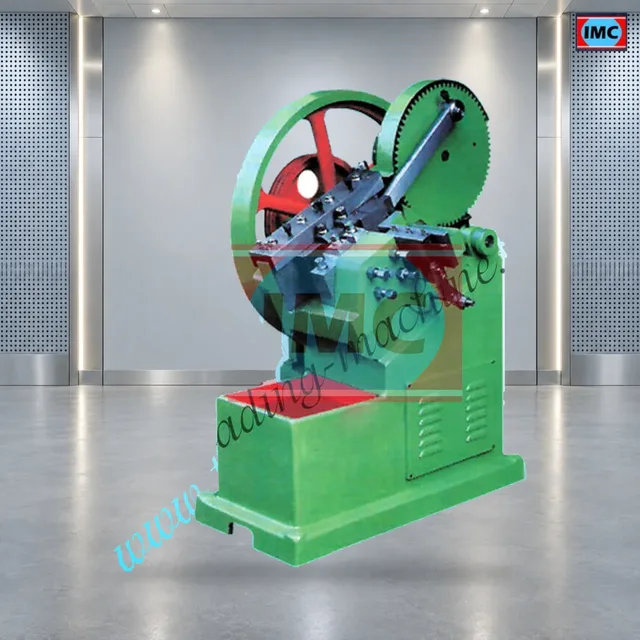
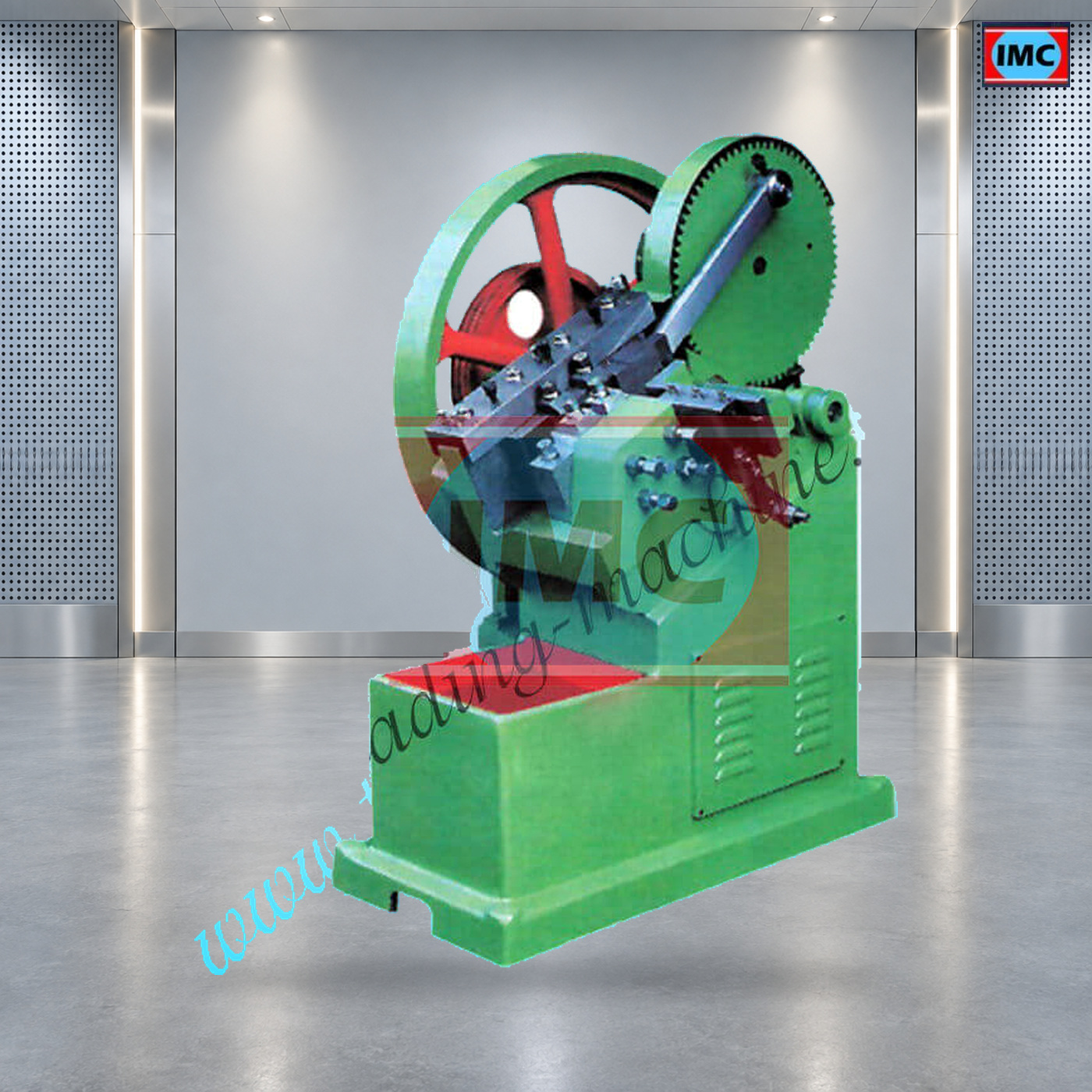
Review Flat Die Thread Rolling Machine for your component and the required production operation.
Start with the tooling interface
To form external threads on suitable fastener blanks between matched flat dies, the proposed machine and tooling must suit the complete component requirement. Review flat-die geometry, blank presentation, feeding and changeover requirements. Existing tools should be identified by model, dimensions or a sample rather than only a familiar name.
Set up around the finished drawing
Provide blank diameter and material, fastener shape, thread form and thread length. Discuss how the component is presented and what adjustments are required when a size changes. The blank and flat-die profile should be considered together; this is cold forming rather than thread cutting. Ask which fixtures or tool sets are included for the initial job and whether the remaining sizes need additional equipment.
Verify the trial and specify the offer
Check a representative result for formed thread dimensions, gauge acceptance and the condition of the blank. Identify the measurement or inspection requirements with the drawing. A trial should use the intended material and stock condition so that setup decisions apply to the real job. Include batch quantities, site utilities and delivery details with the selected quotation options. The offer should state the model, tooling, accessories and changeover arrangements against those requirements.